

Biography
About Iam Tongi
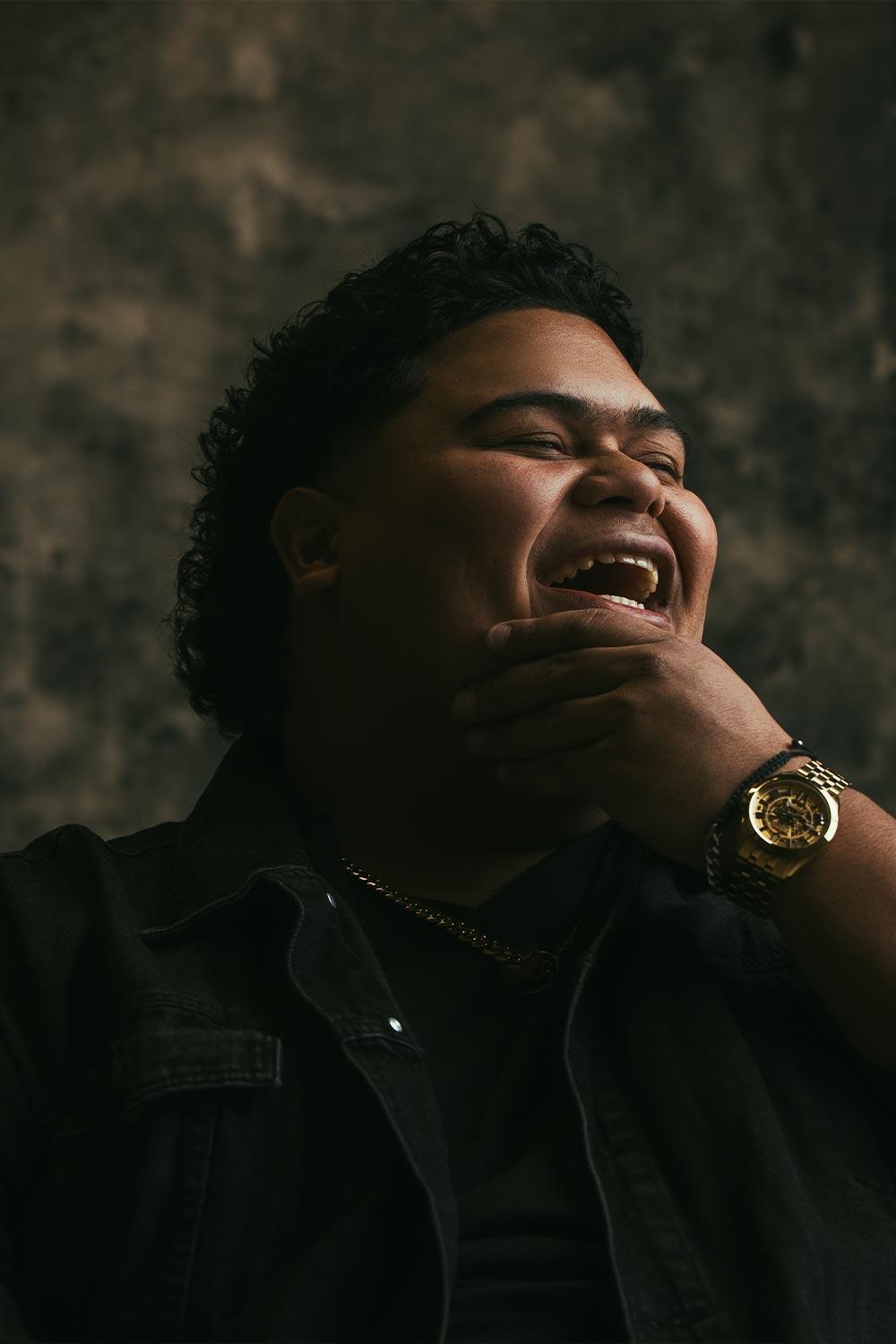
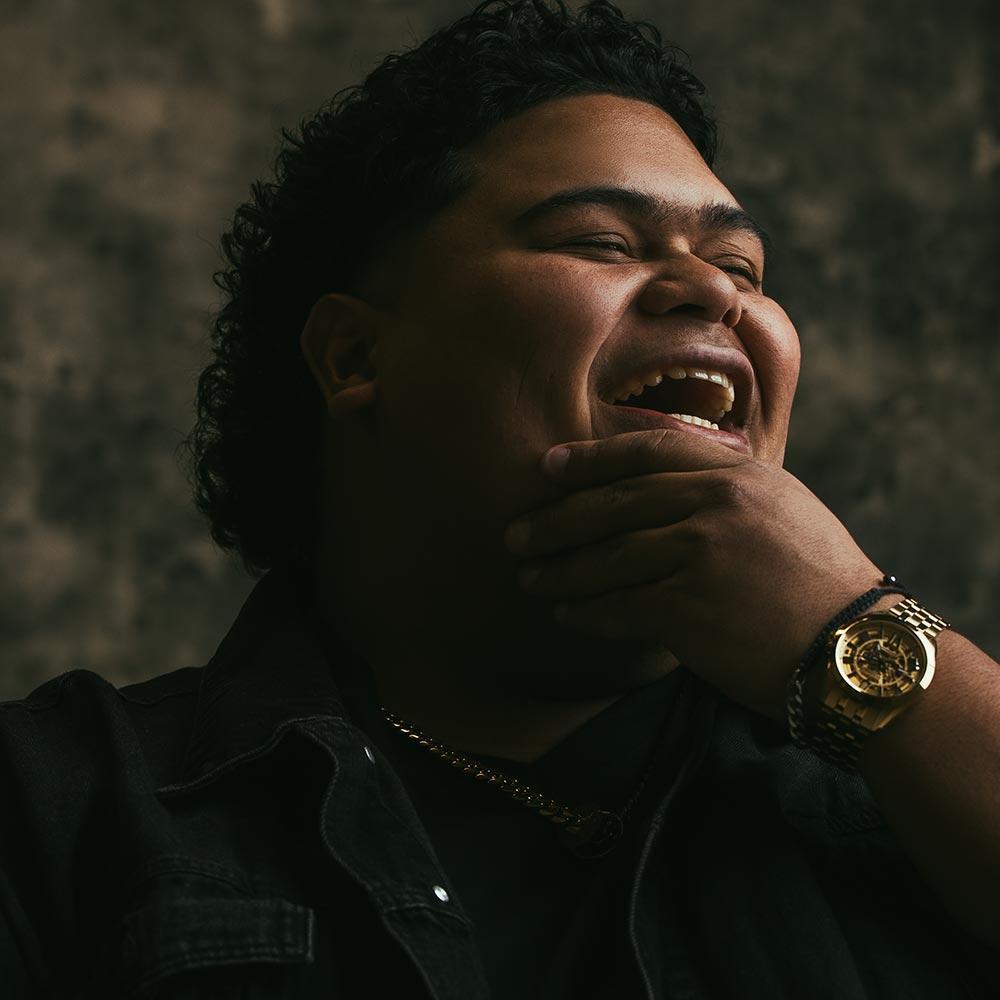
You can hear it in the gentle rasp of his wave-washed vocal soul. You can see it in his smile. For Iam Tongi, music is not just about fun – although it definitely is that. It’s about transformation.
A Hawaiian-born singer-songwriter and the Season 21 champion of American Idol, the 21-year-old Tongi first saw music transform his family, then his sense of purpose … and then every aspect of his life. And now, as he steps forward with the wind firmly at his back, another transformation begins. Marked by growth, gratitude, and feel-good island wisdom, the rising star looks to the horizon.
“I know I’m supposed to be doing this, and sometimes that’s all I know,” the inspiring young talent says. “This is what I was meant for.”
That clarity came early for the emerging star. First picking up a ukulele in the fifth grade, Tongi grew up in a deeply musical world filled with community gatherings, each one marked by the traditional singing and dance of Pacific Island cultures. Living in the small town of Kahuku on the northern tip of Oahu – far removed from the tourists on the opposite side of the island – he still has vivid memories of his father and grandfather, singing together in quiet harmony as they sat on the family’s front porch. Both hard-working, blue-collar stoics, they rarely even spoke – letting music do the talking instead.
“Everyone knew music and music was life – it’s about just having fun,” Tongi explains. “Everyone knew how, except for me. And I remember I always felt kind of left out.”
That changed when Tongi began singing, too, looking for a way to get closer to his dad. Although his father’s regular workday was 16 hours long, he’d still rush home to sing with Tongi, teaching his son what he knew and hammering home the idea that music was Tongi’s path to a better life. Clearly blessed with an expressive, charismatic voice, Tongi was pushed hard and immersed in the multi-faceted skills of island reggae – plus a family record collection that featured country (Kenny Rogers), classic rock (Dr. Hook), and R&B (Luther Vandross).
By 13 Tongi had played his first show, singing Tongan classics and his dad’s favorite Dr. Hook song (“Sylvia’s Mother”) at a North Shore fair. With his fluid style, warm vocal rasp and beaming optimism, Tongi easily cut through the din of the inattentive crowd, earning his first taste of the rush live performance offered. But when the family moved to Seattle, music truly became a lifeline.
Dropped into a culture he’d only seen on TV, the tender-hearted Tongi was slow to make friends, and found solace in music instead. Writing songs as an outlet and comfort, he also began singing even more – partly because his dad had suffered two strokes and a heart attack, meaning he could no longer work. The pair practiced twice as hard as before, and often livestreamed their duets on Facebook for hundreds of viewers. It was a reminder of home for them both.
“I really missed home. And what made me feel like I was home again, was Hawaiian music,” Tongi says. “I never really fit in at school, so I leaned on my music even more. I wrote all the time.”
In a devastating blow, Tongi’s father passed away from kidney failure in December 2021 – but not before encouraging his son to keep singing, one last time. Even so, Tongi couldn’t bring himself to do it. Music brought back painful memories, and without his dad, Tongi began to wonder if he had ever loved music at all. The crestfallen teen put his guitar away, and tried to forget.
It was his mother who knew better. Secretly signing her son up for American Idol – a dream her late husband had long pushed for – she surprised Tongi with the news just two days before his audition. In one of Idol’s all-time emotional highlights, that moving performance of James Blunt’s “Monsters” immediately went viral, and by the end of Season 21, Tongi had made history as the first Pacific Islander to ever win the show.
As he told the world, he did it to honor his father. … But ultimately, the win helped Tongi learn to believe in himself – inspiring millions in the process. “Now, I’m doing what I love,” he says.
A series of post-Idol singles let Tongi began to share his unique perspective. But lately, with more than 100 million global on-demand streams and a dedicated fanbase, the young star looks to a new sunrise. In 2025 Tongi was tapped by Disney to record a fresh version of “Hawaiian Roller Coaster Ride,” a heartwarming, communal anthem dedicated to his island home, for the live action remake of Lilo & Stitch. It was a mark of deepened creative purpose, which he’s now ready to share with the world.
Tapping Tongi’s musical heritage and cultural roots – but also showcasing the well-rounded man he’s become – his debut album, Good for My Soul, marks a new chapter. Thirteen vibrant tracks combine rapture and resilience with the power to shift a state of mind, and nurture the spirit. Alongside a golden-sand mix of palm-tree pop, island reggae, and easy-going country, Tongi’s dynamic vocal crashes with the force of a North-Shore swell as he embraces “soul,” in both sound and essence.
Whether it’s a barefoot anthem, a tender ukulele lullaby, bonfire ballads or a stormy stunner rooted in the pain he knows too well, the grateful wayfarer shares radiant colors from his own life – and helps listeners see theirs. It’s a lesson in big-picture thinking Tongi’s father was careful to teach.
“From a young age, my dad taught me when you sing music, you got to make sure you sing it with soul,” Tongi says. “You got to make sure it’s coming from a true place, and when you write music as well. Otherwise, you’re just making noise.”
“Good for My Soul” serves as the album’s guiding principal; its mākia. Co-written by Tongi, the cloud-nine fusion of soft rock and classic pop features ukulele, bongos, and brassy horns, in a blissful tribute to the people who make your spirit soar.
Likewise, the upcoming single “Eyes for You” serenades the source of romantic joy. Another co-written standout, the supremely laid back reggae ballad sways in time with a thumping heart, as Tongi soaks up the warmth of lasting love.
Others pull on painful threads of loss, or bask in the glow of nostalgia. Tongi tributes his past and calls out his creative inspirations. But no matter the hook, no matter the presentation, each points toward a life rooted in beauty of soul. To Tongi, his search for paradise within, will finally shine out as well.
“I’ve been working so long towards an album, and the songs mean so much to me,” he says. “It’s a lot of deep feelings. There is pain, but also joy and happiness, and just good vibes walking on the beach – everything I’ve been feeling during this period of my life. I was just doing what I love, having fun with the lyrics and also going through a lot of emotions. But when people hear this album, I hope they hear me as a person.”